Oct 14, 2020
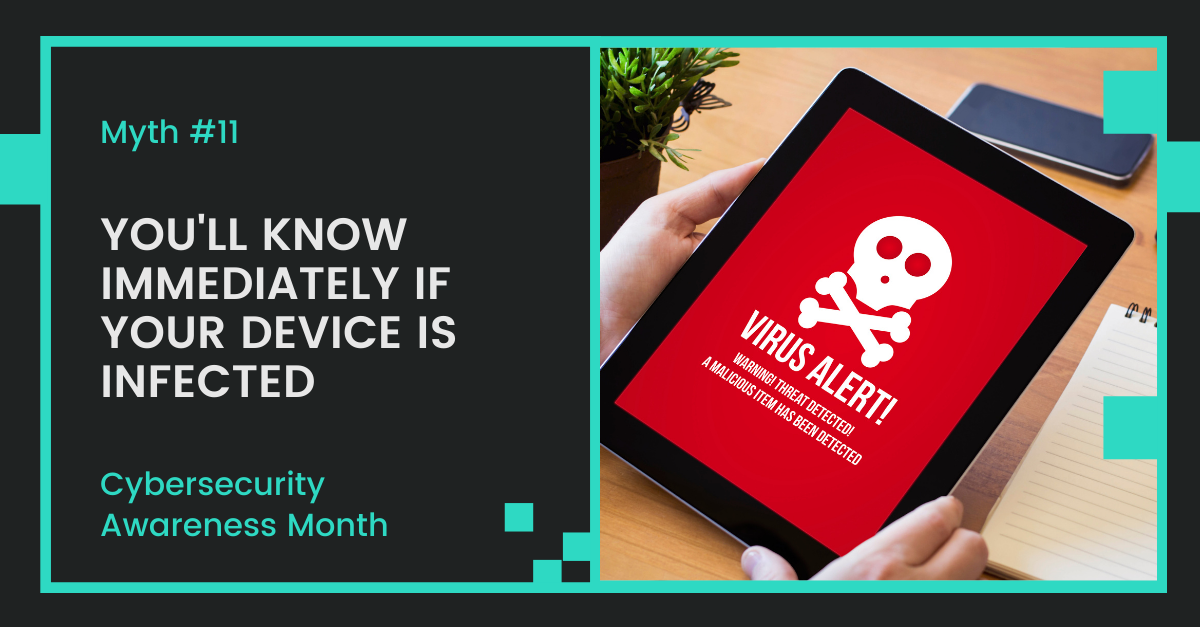
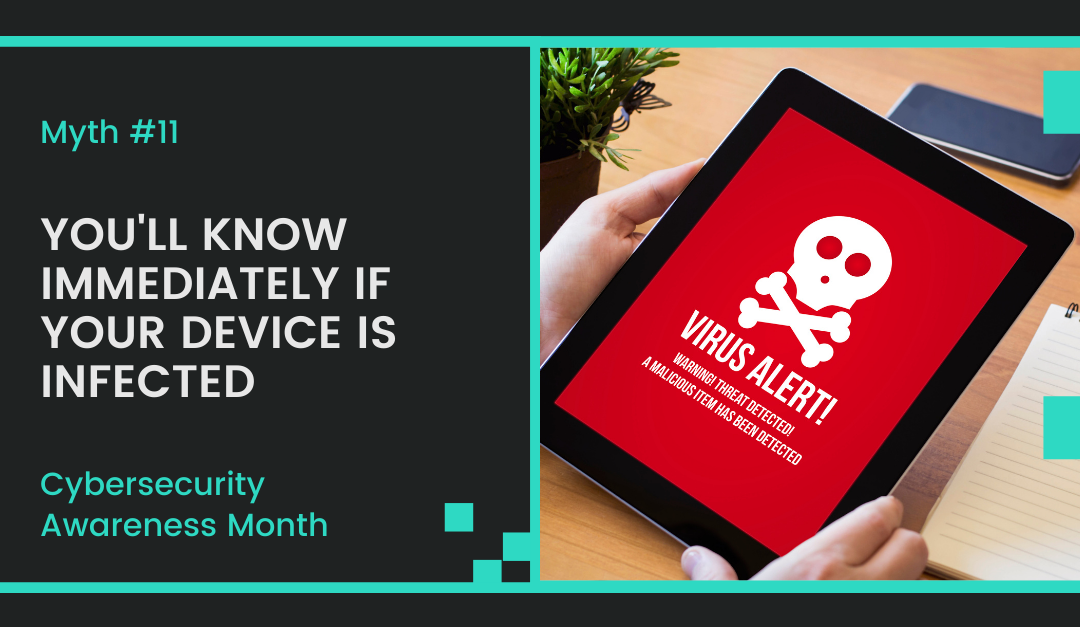
Myth #11: You’ll know immediately if your device is infected
Fact: Many times, nothing visually happens when a device or network is infected. Often, the attacker’s goal is to go undetected, however, there are directed attacks such as ransomware that will be immediately visible. #CybersecurityAwarenessMonth
Oct 14, 2020
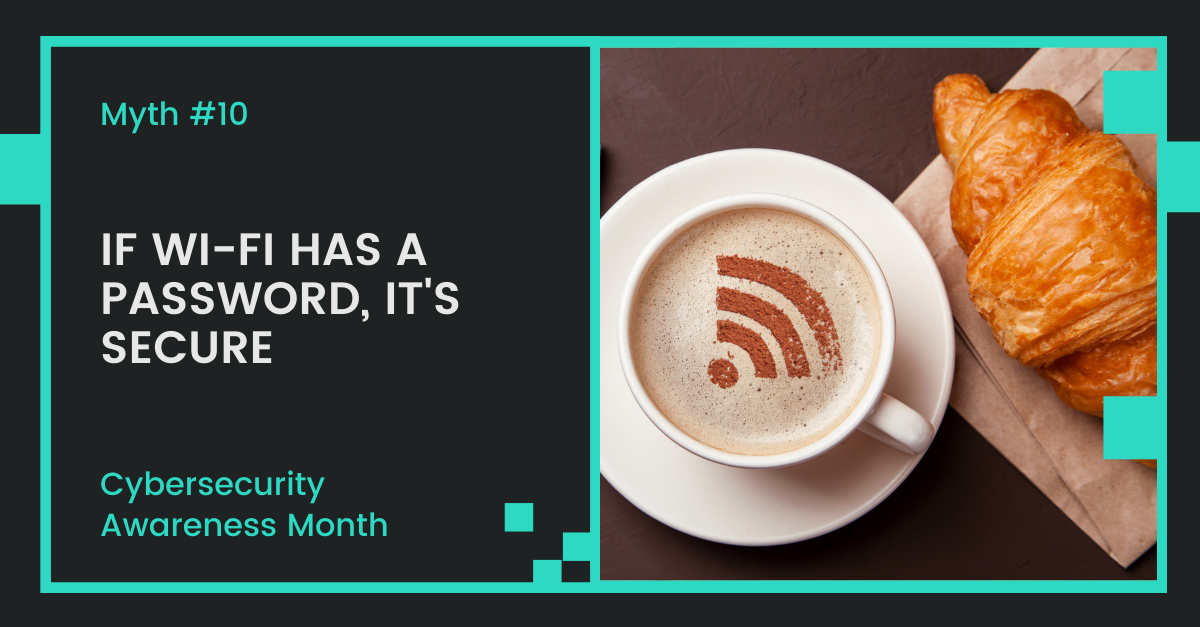
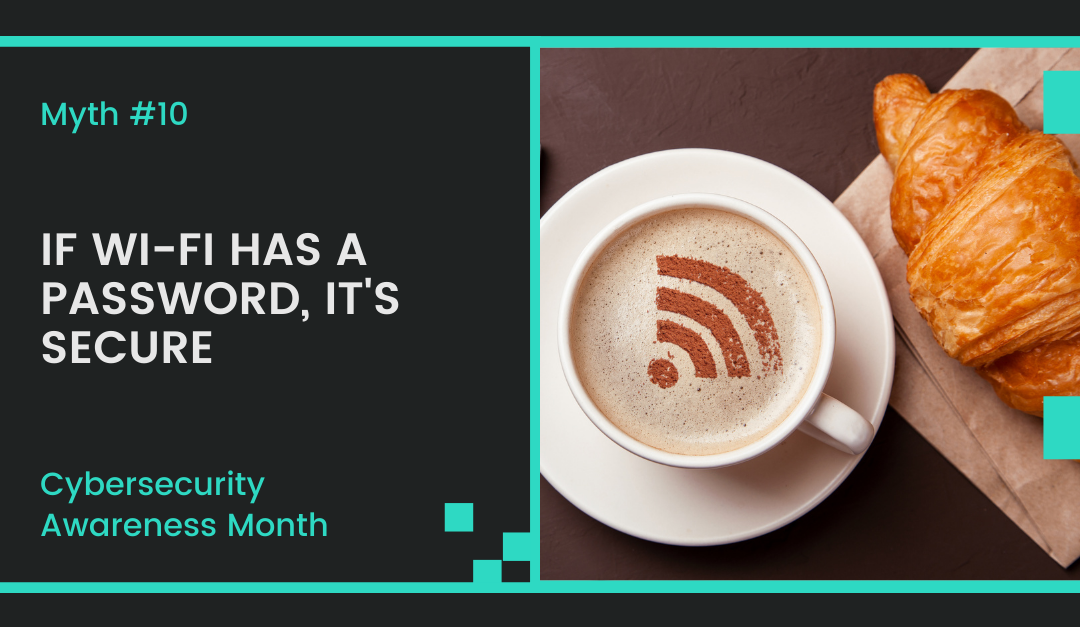
Myth #10: If wi-fi has a password, it’s secure
Fact: All public Wi-Fi can be compromised, even with a password. Anyone who has access to the Wi-Fi password could abuse the connection. That means that if your information isn’t encrypted, it could fall into the wrong hands. #CybersecurityAwarenessMonth
Oct 14, 2020
Myth #9: You can’t be attacked on social networking sites
Fact: Many attacks can stem from social networking sites. For example, if your friend gets breached, you could get private message from them with a link telling you to “click here to watch a funny video!” when in reality, it’s a malicious link. #CybersecurityAwarenessMonth
Oct 14, 2020
Myth #8: Cybersecurity threats only come from the outside
Fact: Many cybersecurity threats do come from the outside, but insider threats are just as likely. Insider threats can have malicious intent or could be the result of an honest mistake. Either way, these insider threats are often difficult to detect. #CybersecurityAwarenessMonth
(more…)
Oct 13, 2020
Myth #7: Anti-virus & anti-malware software keep you completely safe
Fact: Anti-virus and anti-malware software are incredibly important when it comes to protecting your system, but that doesn’t mean you’re in the clear. This software can’t protect against all cybersecurity risks, many of which involve human error. #CybersecurityAwarenessMonth
Oct 13, 2020
Myth #6: Only certain industries are vulnerable to cyber attacks
Fact: While some industries are targeted more fiercely than others, no business is off-limits when it comes to a cyber-attack. If your organization has access to or stores sensitive data, you are vulnerable to a cyber-attack. #CybersecurityAwarenessMonth